



The Japanese yen edged lower on Monday as the US dollar found support despite growing expectations that the Federal Reserve could cut interest rates later this year. The USD/JPY pair remained near recent levels as traders balanced softer US policy expectations against concerns over Japan’s economic outlook and potential currency intervention.
Market Snapshot
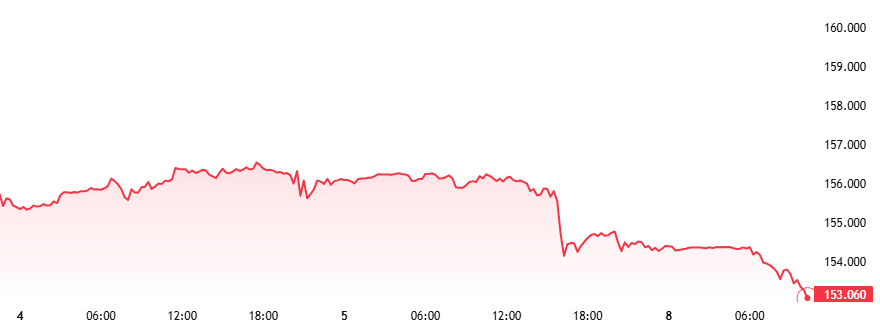
USD/JPY traded around 148.00, with the yen giving back some of its recent gains against the dollar.
The Japanese currency had strengthened in previous sessions as investors reduced long-dollar positions and increased expectations that the Bank of Japan could continue raising interest rates. However, the move lost momentum as traders reassessed the outlook for both US and Japanese monetary policy.
The US Dollar Index stabilised after recent declines, supported by cautious positioning ahead of upcoming US economic data and Federal Reserve commentary.
Fed Rate Cut Bets Weigh On Dollar Outlook
The dollar remained under pressure after weaker US economic indicators reinforced expectations that the Federal Reserve could begin easing monetary policy.
Markets have increased bets that the Fed may lower interest rates as inflation shows signs of slowing and labour market conditions soften. Lower US yields typically reduce the dollar’s appeal by narrowing the return advantage of US assets.
However, investors remained cautious about extending dollar selling ahead of key economic releases, including labour market data that could influence expectations for the Fed’s next policy move.
Analysts said the dollar’s near-term direction would depend on whether incoming data confirms a gradual cooling in the US economy or supports a more resilient growth outlook.
Bank Of Japan Policy In Focus
The yen continues to be influenced by expectations surrounding the Bank of Japan’s rate path.
The BOJ ended years of negative interest rates earlier in 2026 and has continued moving towards policy normalisation as inflation and wage growth improve. Markets are watching whether policymakers will deliver additional rate increases in the coming months.
A stronger policy outlook has provided some support for the yen, particularly as investors expect the interest-rate gap between Japan and the United States to narrow.
However, concerns over Japan’s fiscal position and slower domestic growth have limited the currency’s gains. Investors remain cautious about whether higher rates alone will be enough to create sustained yen strength.
Intervention Risks Remain
Japanese authorities continue to monitor currency movements closely after the yen experienced significant volatility earlier this year.
Officials have repeatedly warned against excessive and disorderly currency moves, particularly when weakness increases import costs and puts pressure on households.
The Ministry of Finance has previously intervened in foreign exchange markets when the yen approached multi-decade lows. Although USD/JPY remains below earlier peaks, traders continue to watch for signs that Tokyo may become more concerned if the currency weakens sharply again.
A rapid move towards key levels could increase speculation of possible intervention.
Carry Trade And Market Positioning
The yen remains vulnerable to changes in global risk sentiment because it is widely used as a funding currency for carry trades.
When investors borrow yen at relatively low interest rates to purchase higher-yielding assets, the currency can weaken. However, sudden shifts in risk appetite can trigger unwinding of these positions, leading to rapid yen appreciation.
Recent volatility in global bond markets and equity markets has increased sensitivity to changes in positioning.
A stronger yen could pressure Japanese exporters by reducing the value of overseas earnings, while a weaker currency could increase costs for importers.
Outlook
Traders will focus on upcoming US employment data and Federal Reserve commentary for signals on the timing and pace of potential rate cuts.
The yen’s direction will also depend on Bank of Japan communication and whether officials provide further guidance on future rate increases.
Markets will continue monitoring USD/JPY levels closely, with intervention risks becoming more significant if the yen resumes a sharp decline. A combination of weaker US data and a more hawkish BOJ stance could support further yen gains, while resilient US growth may keep pressure on the currency.