


Đồng bảng Anh suy yếu trong phiên thứ Ba sau khi lạm phát tiêu dùng của Mỹ tăng cao hơn kỳ vọng, làm giảm kỳ vọng về việc Cục Dự trữ Liên bang Mỹ (Fed) sẽ sớm cắt giảm lãi suất và hỗ trợ đồng USD tăng giá trước khi dữ liệu Chỉ số Giá Sản xuất (PPI) của Mỹ được công bố trong tuần này.
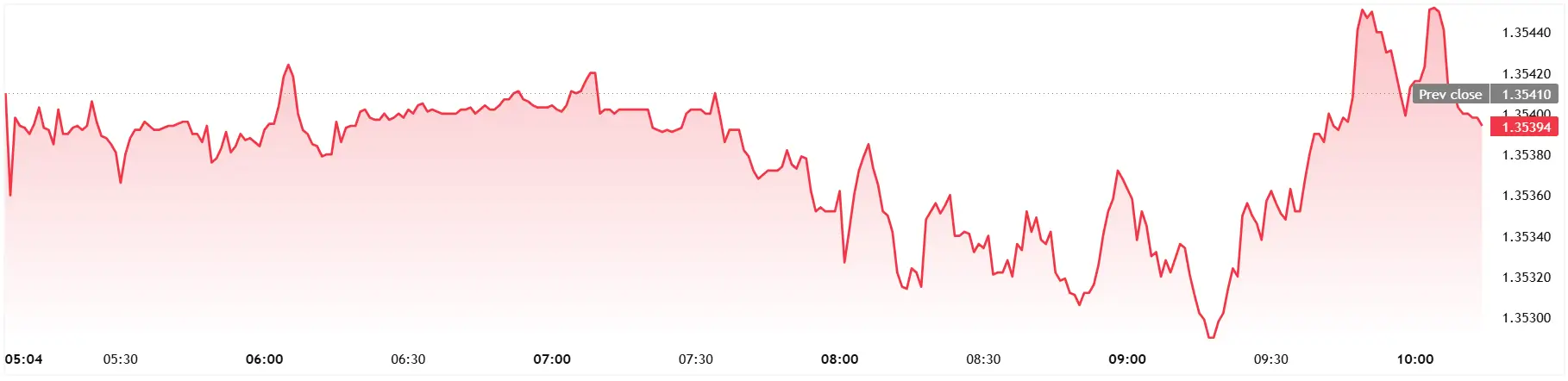
Đồng bảng giảm so với USD và mất giá trước đồng euro khi thị trường điều chỉnh lại kỳ vọng về lộ trình nới lỏng chính sách của Fed sau báo cáo Chỉ số Giá Tiêu dùng (CPI) tháng 4 của Mỹ, cho thấy áp lực lạm phát mạnh hơn dự kiến của giới giao dịch.
Hiện nhà đầu tư đang chờ đợi dữ liệu PPI của Mỹ vào thứ Tư, yếu tố có thể củng cố tín hiệu từ CPI và tiếp tục ảnh hưởng đến kỳ vọng về thời điểm điều chỉnh chính sách của Fed.
Bối cảnh và phản ứng thị trường
Lạm phát Mỹ cao hơn kỳ vọng thường hỗ trợ đồng USD do làm gia tăng khả năng lãi suất tại Mỹ sẽ duy trì ở mức cao lâu hơn, từ đó gây áp lực lên các đồng tiền nhạy cảm với chênh lệch lãi suất toàn cầu như bảng Anh. Sau dữ liệu CPI, các nhà giao dịch tiền tệ đã giảm kỳ vọng về thời điểm và quy mô cắt giảm lãi suất của Fed, kéo theo việc định giá lại trên nhiều cặp tiền chính, bao gồm GBP/USD.
Động thái suy yếu của bảng Anh cũng diễn ra trong bối cảnh tín hiệu kinh tế nội địa của Anh còn trái chiều. Lạm phát tại Anh đã hạ nhiệt trong những tháng gần đây nhưng vẫn cao hơn mục tiêu 2% của Ngân hàng Trung ương Anh (BoE), khiến thị trường nhạy cảm hơn với các dữ liệu bất ngờ từ Mỹ có thể thay đổi kỳ vọng chính sách toàn cầu và dòng vốn trên thị trường ngoại hối.
Tại sao điều này quan trọng?
Dữ liệu lạm phát Mỹ tăng mạnh có thể khiến Fed trì hoãn kế hoạch cắt giảm lãi suất, qua đó hỗ trợ đồng USD và khiến các đồng tiền như bảng Anh khó phục hồi. Điều này ảnh hưởng đến chi phí nhập khẩu của Anh, lợi nhuận doanh nghiệp đa quốc gia và quyết định phân bổ tài sản của nhà đầu tư giữa thị trường Mỹ và Anh.
Điều gì có thể xảy ra tiếp theo?
Nếu PPI của Mỹ công bố vào thứ Tư cao hơn dự báo, đồng USD có thể tiếp tục tăng giá và gây thêm áp lực lên bảng Anh, kéo cặp GBP/USD giảm sâu hơn từ vùng hiện tại. Ngược lại, nếu PPI hạ nhiệt, thị trường có thể bớt lo ngại và tạo điều kiện để bảng Anh phục hồi một phần.
Các chuyên gia phân tích cũng sẽ theo dõi dữ liệu kinh tế sắp tới của Anh cùng phát biểu từ Ngân hàng Trung ương Anh (BoE) để đánh giá liệu điều kiện trong nước có cần tiếp tục thắt chặt chính sách hay mở đường cho kỳ vọng nới lỏng vào cuối năm.