


US stock index futures surged sharply after a US-Iran peace memorandum eased geopolitical tensions and boosted risk appetite, while markets simultaneously digested a hawkish Federal Reserve shift that tempered longer-term optimism. The Nasdaq led gains in pre-market trading as oil prices fell and inflation expectations eased.
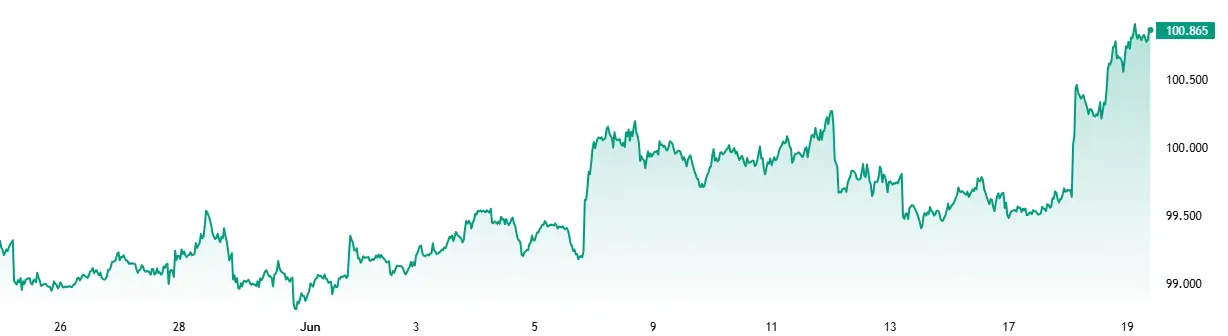
Market snapshot
US equity futures rallied across the board following reports that President Donald Trump and Iran had signed a 14-point memorandum of understanding aimed at ending hostilities and reopening the Strait of Hormuz. S&P 500 futures rose around 0.7%, while Nasdaq 100 futures climbed about 1.4%, with Dow futures also higher.
The move extended a broader risk-on shift seen in the prior session, with tech stocks and semiconductor names leading gains as investors rotated into growth assets. At the same time, volatility remained elevated following a sharp selloff earlier in the week triggered by Federal Reserve policy signals.
Event details
The peace deal is widely viewed as a turning point in Middle East tensions, with early market interpretation focused on the potential reopening of key oil shipping routes. Oil benchmarks dropped sharply, with Brent crude sliding toward the high-$70s per barrel range and WTI falling toward the mid-$70s.
“Markets are pricing in a rapid de-escalation of geopolitical risk, and that’s immediately feeding through into energy and equity positioning,” said one equity strategist in a note to clients, adding that the speed of the move has left some investors “under-positioned for risk assets.”
Another trader noted that “the drop in crude is effectively a tax cut for consumers, and equity markets are reacting accordingly.”
Fed policy divergence
Despite the geopolitical relief, gains were partially capped by a hawkish Federal Reserve stance. Markets are still adjusting to signals that policymakers under new Chair Kevin Warsh are open to further rate hikes later this year amid persistent inflation concerns.
Treasury yields remained elevated after the policy update, reflecting expectations that monetary tightening may continue even as energy-driven inflation pressures ease. The divergence between softer inflation expectations (via lower oil prices) and tighter monetary policy has created a mixed macro backdrop for risk assets.
Equity and asset-class reaction
Technology stocks outperformed, with semiconductor names benefiting from renewed growth sentiment. Broader US indices also advanced, with the Nasdaq gaining the most due to its higher sensitivity to rate expectations and liquidity conditions.
Oil-linked assets came under pressure, with energy equities lagging the broader market. Meanwhile, bond markets saw modest selling, keeping yields near recent highs. The US dollar held steady to slightly firmer, reflecting ongoing rate-hike expectations despite improved risk sentiment.
Crypto markets also reflected the risk-on tone but remained volatile, tracking shifts in both liquidity expectations and geopolitical sentiment.
Macro implications
The Iran agreement introduces a near-term disinflationary impulse through lower energy prices, which could ease headline inflation prints in coming months. However, the Fed’s hawkish pivot complicates the outlook for rate-sensitive sectors, particularly housing and technology.
Economists note that if oil prices remain subdued, it could reduce pressure on central banks globally, but policy credibility around inflation control remains a priority for the Fed, limiting the scope for an immediate dovish shift.
Outlook risks and key monitors
- Progress and durability of the US-Iran agreement and any reversal in geopolitical sentiment
- Federal Reserve communication and upcoming signals on potential rate hikes
- Crude oil price stability and its pass-through to inflation expectations